In the hidden spaces of every home, behind walls and ceilings, lies a network of electric wires that silently narrate the history and future of the property. These unspoken stories of electric wires hold the key to safety, efficiency, and functionality. Understanding these hidden systems is crucial for homeowners and property buyers, as they significantly impact home safety and energy efficiency. Professional insight into these components can reveal potential hazards and highlight areas for improvement.
Understanding the Wiring System
The electrical wiring system in a home is akin to its nervous system, transmitting power to every corner. Generally, homes utilize a combination of knob-and-tube, aluminum, and copper wiring. Each type comes with its own set of characteristics and potential issues. For instance, modern homes predominantly use copper wiring due to its excellent conductivity and durability. However, older properties might still contain aluminum wiring, which requires special connectors to prevent overheating.
- Copper Wiring: Known for its efficiency and reliability.
- Aluminum Wiring: Requires careful handling and special connectors.
- Knob-and-Tube Wiring: Common in older homes, often necessitates upgrades for safety compliance.
Identifying Potential Issues
Regular inspections can preemptively identify issues such as outdated wiring, overloaded circuits, and faulty connections. Industry standards suggest that homeowners conduct electrical inspections every 3-5 years, or more frequently if the home is older or has undergone significant renovations. During inspections, professionals often check for:
- Signs of wear and tear or exposed wires
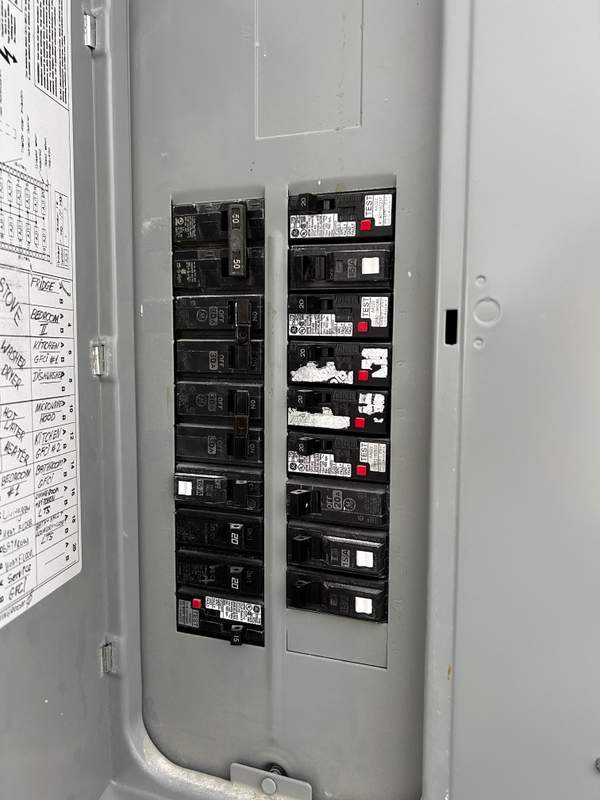
- Proper function of circuit breakers and fuses
- Compliance with current electrical codes and standards
- Potential fire hazards due to outdated or damaged wiring
Ensuring Safety and Efficiency
To ensure safety and efficiency, it is advisable to replace outdated systems with modern solutions that meet contemporary standards. Installing ground-fault circuit interrupters (GFCIs) in moisture-prone areas and ensuring that all electrical work adheres to local codes are critical steps in maintaining a safe home environment. Professionals can offer invaluable guidance on upgrading systems to improve both safety and energy efficiency.
In conclusion, the hidden electric wires in a home are integral to its safety and functionality. By prioritizing regular inspections and staying informed about the condition of these systems, homeowners can ensure a secure living environment. Consulting professional home inspection services can provide the expertise needed to uncover and address potential electrical issues.