In the world of home inspection, outlets and wiring often tell a complex tale about a property’s condition. Homeowners and potential buyers may not realize the hidden stories that electrical systems reveal. Understanding these can help prevent safety hazards and costly repairs, emphasizing the importance of professional inspections to uncover such insights.
Uncovering Electrical Anomalies
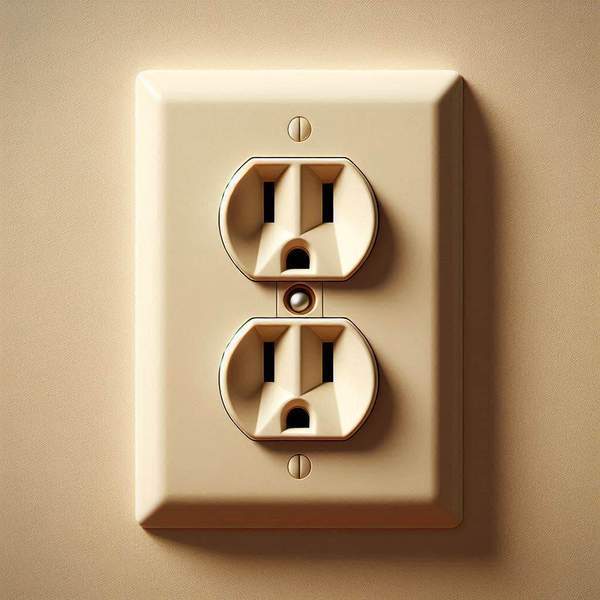
Electrical outlets and wiring are critical components of a home’s infrastructure. When inspected properly, they can indicate issues like outdated systems, poor installation practices, or potential safety hazards. For instance, outlets that are warm to the touch may signify overloaded circuits, a common problem in older homes that may not meet the demands of modern electrical usage.
- Inspectors often check for Ground Fault Circuit Interrupters (GFCIs) in kitchens and bathrooms, which are essential for preventing electrical shocks.
- Two-pronged outlets may indicate an absence of grounding, which can pose a safety risk and may not comply with current electrical codes.
- Visible sparks or frequent circuit breaker trips can suggest faulty wiring or connections.
Decoding Wiring Types
The type of wiring found in a home can provide clues about its age and the potential need for upgrades. Knob-and-tube wiring, for example, is an outdated system that may be present in homes built before the 1950s. This type of wiring lacks a grounding wire, increasing the risk of electrical fires.
Modern homes typically use non-metallic (NM) cable, which includes a grounding wire and is encased in a plastic sheath for added safety. Inspectors are trained to identify these types of wiring and assess their condition, ensuring that any necessary updates are highlighted in their reports.
Practical Tips for Homeowners
Homeowners should regularly check their electrical outlets and wiring for any signs of wear or damage. Routine inspection can prevent serious electrical issues. Here are some practical tips:
- Ensure all outlets are securely installed and not showing signs of damage.
- Look out for discolored or charred outlets, which can indicate overheating.
- Schedule regular professional inspections to assess the overall health of the electrical system.
By understanding the secrets that outlets and wiring reveal, homeowners can make informed decisions about maintenance and necessary upgrades, ensuring safety and peace of mind. Engaging professional inspection services can uncover potential issues before they become costly problems, reinforcing the value of expert evaluation in maintaining a safe and efficient home environment.