Have you ever wondered about the inner workings of your home’s electrical system? While often hidden, this complex web of circuits and wires is crucial for your safety and convenience. Understanding your home’s electrical blueprint can prevent hazards and ensure efficient functionality. As home inspection professionals, we’re here to guide you through the essentials of electrical safety.
Understanding Your Home’s Electrical System
Your home’s electrical system starts at the service panel—the heart of your electrical setup. This panel distributes electricity throughout your home via a network of circuits. It’s important to know that:
- Amperage: Residential panels typically range from 100 to 200 amps, depending on the home’s size and electrical needs.
- Circuit Breakers: These safety devices prevent overloads by “tripping” when a circuit draws too much current.
- Wiring Types: Standard wiring includes non-metallic (NM) cables, ideal for indoor use, and armored cables for areas requiring extra protection.
Regular inspections can identify issues such as outdated wiring, which may not comply with current safety standards and could pose a fire risk.
Identifying Common Electrical Safety Hazards
Being aware of potential hazards can prevent accidents:
- Overloaded Circuits: Avoid plugging too many devices into a single outlet. Use power strips with surge protection, and consult a professional if you frequently trip breakers.
- Outdated Wiring: Homes built before the 1970s might have aluminum wiring, which can overheat. Upgrading to copper wiring is often recommended.
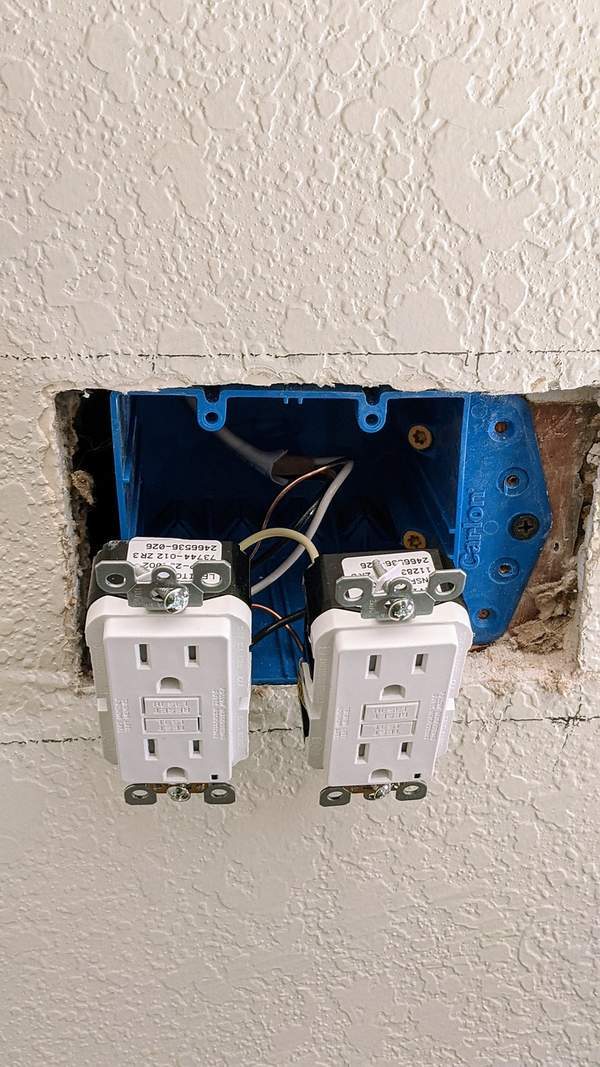
- GFCI Outlets: Ground Fault Circuit Interrupter outlets should be installed in moisture-prone areas like bathrooms and kitchens to prevent electric shocks.
Make it a habit to test GFCI outlets monthly and replace any malfunctioning ones immediately.
The Importance of Professional Home Inspections
While some electrical checks can be performed by homeowners, professional inspections are invaluable. Certified inspectors have the expertise to evaluate your system against current electrical codes, ensuring both safety and compliance. They can identify potential issues that non-professionals might overlook, offering peace of mind and preventing costly repairs.
In conclusion, understanding your home’s electrical blueprint is essential for safety and efficiency. Regular professional inspections can identify and mitigate risks, safeguarding your home. Consider scheduling a home inspection today to ensure your electrical system is up to standard and secure.